Many people believe love will heal them.
After a painful breakup, a betrayal, or years of loneliness, the idea of meeting the right person can feel like the solution to everything. A new relationship promises comfort, distraction, and hope that things will finally feel different.
And for a while, it often does.
The excitement of a new connection can temporarily quiet old wounds. Attention feels validating. Affection feels reassuring. Being chosen by someone else can make past disappointments feel less heavy.
But over time, unresolved pain tends to resurface.
Arguments begin to trigger deeper fears. Small misunderstandings feel larger than they should. Old insecurities appear in new situations. Suddenly the relationship that once felt like healing starts to feel complicated.
This is why healing before you fall in love again matters more than many people realize.
A partner can support your growth, but they cannot do the healing work for you.
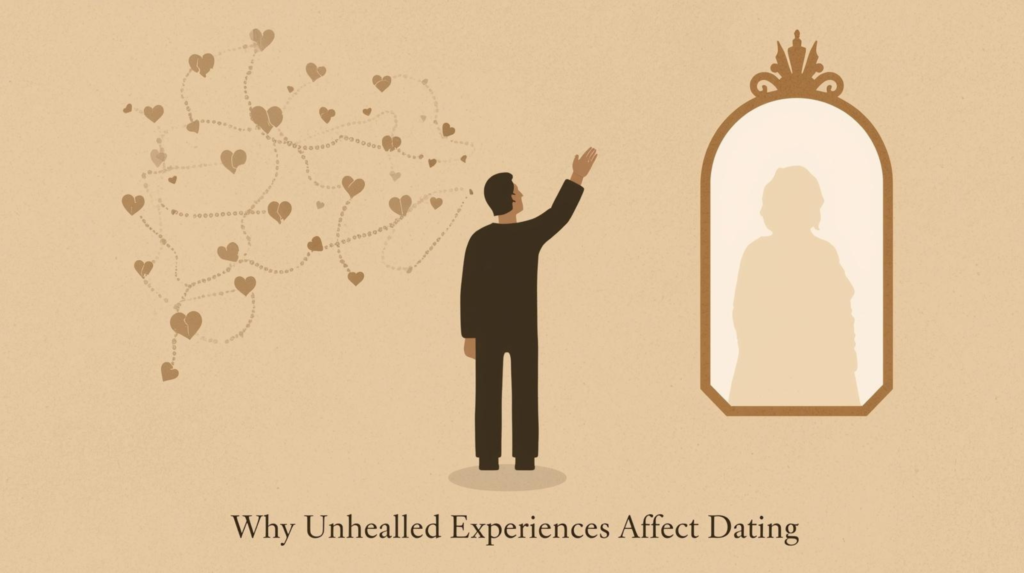
Why Unhealed Experiences Affect Dating
Everyone carries emotional history into relationships.
Past relationships, childhood experiences, and moments of rejection all shape how we approach love. These experiences influence how safe we feel with others, how easily we trust, and how we respond to conflict.
When emotional wounds remain unaddressed, they often show up in subtle ways during dating.
Someone who was repeatedly betrayed may struggle to trust even a loyal partner. Someone who experienced emotional neglect may feel anxious when communication slows down. Someone who was constantly criticized may become defensive during minor disagreements.
These reactions are not random. They are protective responses developed over time.
The challenge is that these responses can unintentionally create tension in otherwise healthy connections.
For example, imagine someone who was abandoned in a previous relationship. When their new partner takes a few hours to reply to a message, they may immediately assume something is wrong. Anxiety builds quickly. They send multiple texts seeking reassurance.
Their partner, who may simply be busy with work, feels confused by the sudden intensity.
The problem is not the delayed text. The problem is the unresolved fear attached to it.
Healing before entering a relationship allows individuals to recognize these triggers and respond with awareness instead of reaction.
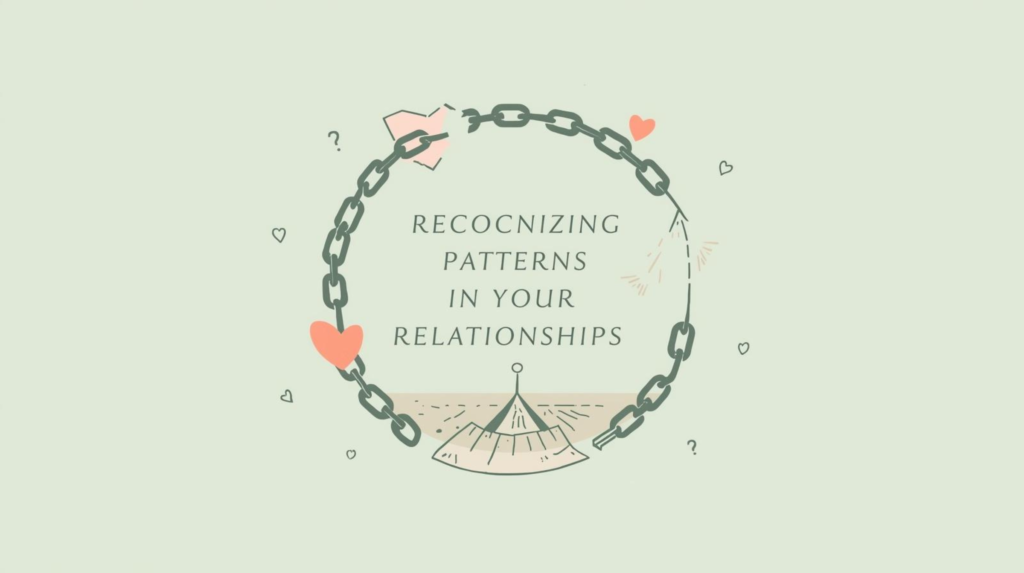
Recognizing Patterns in Your Relationships
One of the most important steps in healing before a relationship is recognizing personal patterns.
Many people notice that similar problems appear in multiple relationships. The details may change, but the emotional dynamic remains familiar.
Someone may repeatedly attract partners who are emotionally unavailable. Another person may find themselves constantly overgiving in relationships while receiving little support in return. Someone else may leave relationships the moment conflict appears.
At first, these patterns may seem like bad luck.
But patterns often reveal deeper emotional habits.
Recognizing them requires honest self reflection. It involves asking difficult questions about your own behavior and emotional responses.
Do you avoid vulnerability because it feels risky? Do you seek validation through romantic attention? Do you struggle to set boundaries because you fear losing the relationship?
Understanding these tendencies does not mean blaming yourself for past experiences. Instead, it allows you to approach future relationships with greater awareness.
When you recognize the patterns, you gain the power to change them.
Building Self Worth Outside of Romantic Validation

Another essential part of healing before a relationship is developing self worth that does not depend on romantic approval.
Many people unknowingly rely on relationships to confirm their value. Being desired, chosen, or admired becomes the measure of personal worth.
While affection and appreciation are natural parts of healthy love, they should not be the foundation of identity.
When self worth depends entirely on a partner’s attention, relationships become emotionally fragile. A delayed response feels like rejection. Disagreements feel like personal attacks. Breakups feel like proof of inadequacy.
Building self worth independently creates emotional stability.
This process may involve strengthening friendships, pursuing personal goals, developing new skills, or simply learning to spend time alone without discomfort.
The goal is not independence that rejects connection. It is independence that allows connection to be a choice rather than a necessity.
When you value yourself outside of romantic validation, you approach relationships differently. You are less likely to tolerate disrespect. You are less likely to chase people who are not emotionally available.
Instead of seeking someone to complete you, you begin looking for someone who complements the life you are already building.
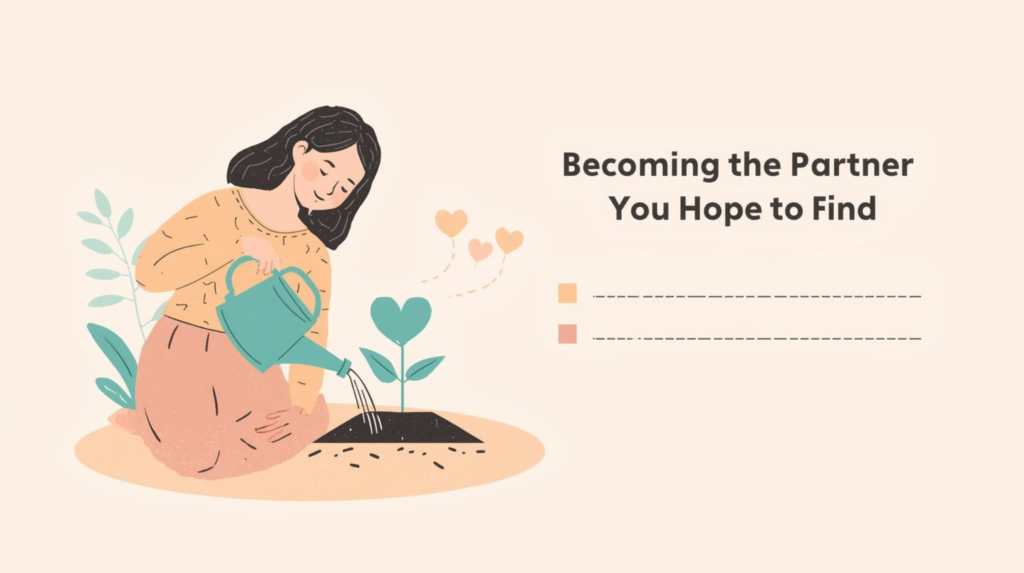
Becoming the Partner You Hope to Find
Many people focus heavily on finding the right partner.
They create lists of desired qualities. They imagine the type of person who would treat them well. They hope to meet someone emotionally mature, supportive, and committed.
But healthy relationships often begin with a different question.
Are you becoming the type of partner you hope to find?
Healing before a relationship includes developing emotional skills that contribute to a stable partnership. These skills involve communication, accountability, and emotional regulation.
Someone who has done personal healing work is more likely to listen during conflict instead of reacting defensively. They are more likely to apologize sincerely and adjust their behavior when necessary. They are able to express needs clearly without resorting to blame.
They also understand the importance of boundaries, both their own and their partner’s.
When two individuals approach a relationship with emotional awareness, disagreements become opportunities for growth rather than sources of destruction.
Becoming a secure partner does not mean being perfect. It means being committed to growth and responsibility.
Why Healing First Creates Stronger Relationships
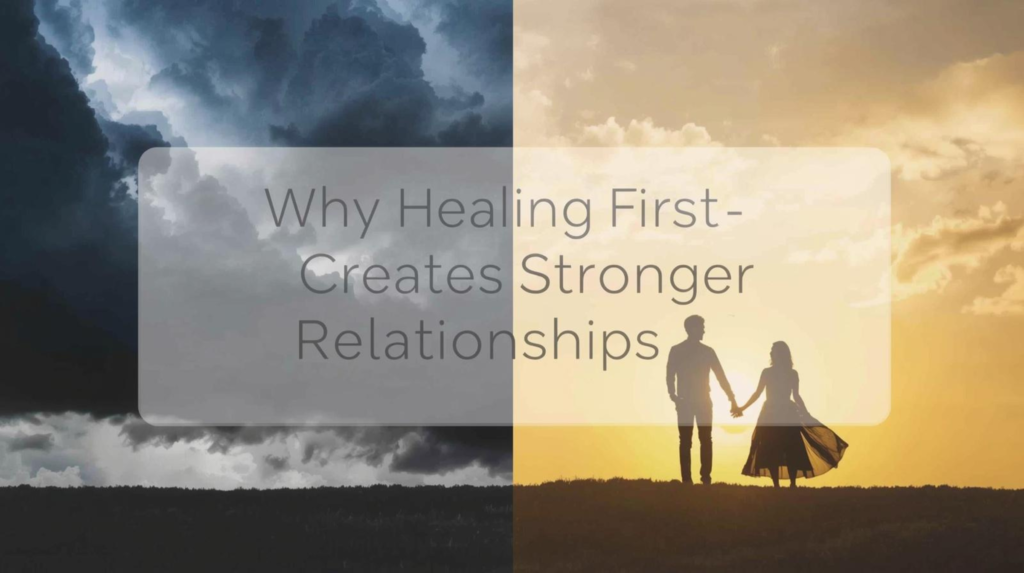
Entering a relationship without addressing emotional wounds can create temporary comfort, but it often leads to repeated conflict.
Healing before a relationship allows you to build a stronger emotional foundation.
You learn how to identify triggers without projecting them onto your partner. You develop confidence that is not dependent on constant reassurance. You become more comfortable with vulnerability because you trust your ability to handle discomfort.
This emotional stability changes the way relationships unfold.
Instead of chasing intensity, you begin valuing consistency. Instead of ignoring red flags, you recognize them early. Instead of clinging to unhealthy connections, you feel confident walking away when necessary.
Healing also helps you recognize healthier partners.
When your sense of self is secure, you are naturally drawn to people who demonstrate emotional maturity, respect, and reliability.
You no longer mistake unpredictability for passion or distance for mystery.
You begin choosing relationships that feel calm, supportive, and balanced.
Love Is Not the Starting Point
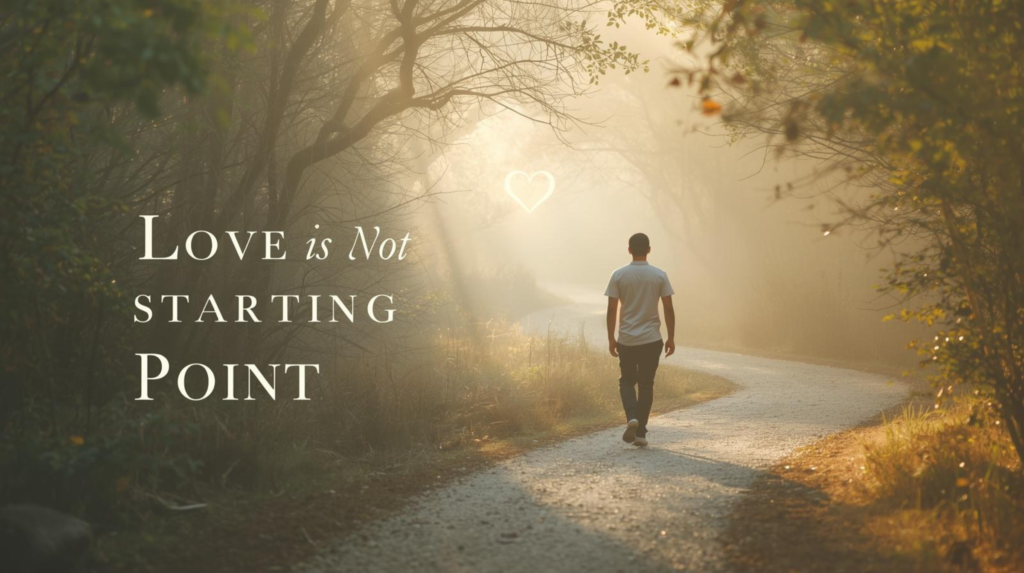
Popular culture often portrays love as the beginning of transformation. The story suggests that meeting the right person will inspire healing, growth, and happiness.
Real life tends to work differently.
Personal growth often begins before the relationship arrives. The work of understanding yourself, addressing emotional wounds, and building self worth lays the groundwork for healthier love later.
This does not mean you must be completely healed before entering a relationship. Healing is an ongoing process for everyone.
But when you have already begun that journey, you bring a different energy into your connections. You approach love with awareness instead of desperation. You engage with honesty instead of fear.
And most importantly, you create space for relationships that feel supportive rather than overwhelming.
Love can be deeply transformative.
But it becomes far more powerful when it meets someone who has already begun the work of healing themselves.





6 comments
It only works when I’m Mauritania.
talk about sadness.
The box this comes in is 4 yard by 5 inch and weights 12 pound!
My co-worker Aurthur has one of these. He says it looks white.
It only works when I’m Cook Islands.
I saw one of these in Barbados and I bought one.