
For many people, the word boundary feels uncomfortable.
It sounds strict. It sounds defensive. It sometimes even sounds selfish.
So instead of setting boundaries in relationships, people stay silent. They tolerate behaviors that hurt them. They compromise their needs in order to keep the peace. They convince themselves that love requires endless patience and flexibility.
At first, this silence feels like kindness. It feels like sacrifice.
But over time, the emotional cost becomes impossible to ignore. Resentment grows quietly. Small frustrations turn into larger conflicts. Eventually the relationship begins to feel heavy instead of supportive.
The truth is that healthy love does not grow in the absence of boundaries. It grows because of them.
Learning about setting boundaries in relationships is not about pushing people away. It is about creating a structure where respect, trust, and emotional safety can actually exist.
What Boundaries Really Are

Boundaries are often misunderstood.
Many people imagine them as rigid rules that control another person’s behavior. In reality, boundaries are simply clear expressions of what you are comfortable with and what you are not.
They are emotional guidelines that protect your well being while allowing connection to continue.
A boundary might involve how you expect to be spoken to during disagreements. It might involve how much time you need for yourself. It might involve honesty, respect, or consistency in communication.
Instead of controlling your partner, boundaries clarify how you will respond if certain behaviors occur.
For example, someone might say that they need disagreements to remain respectful. If a conversation becomes insulting or hostile, they may choose to step away until both partners can speak calmly again.
This is not punishment. It is protection.
When boundaries are communicated clearly, they create predictability within the relationship. Both people understand the emotional environment they are building together.
And that environment is what allows trust to grow.
Why People Are Afraid to Set Boundaries

Even when someone understands the importance of boundaries, fear often prevents them from expressing them.
One of the most common fears is rejection. Many people worry that setting boundaries will make them appear difficult or demanding. They fear that their partner will pull away if they speak honestly about their needs.
This fear often comes from earlier experiences where boundaries were dismissed or punished. If someone grew up in an environment where expressing needs led to criticism or withdrawal, silence can feel safer than honesty.
Another reason people avoid setting boundaries in relationships is the desire to be liked. In the early stages of dating especially, individuals may prioritize harmony over authenticity. They tolerate discomfort because they want the relationship to succeed.
But avoiding boundaries does not preserve connection. It distorts it.
When your real needs remain hidden, your partner cannot truly understand you. Over time, emotional exhaustion replaces the initial excitement.
Healthy relationships require honesty about limits just as much as honesty about affection.
How to Communicate Boundaries Calmly
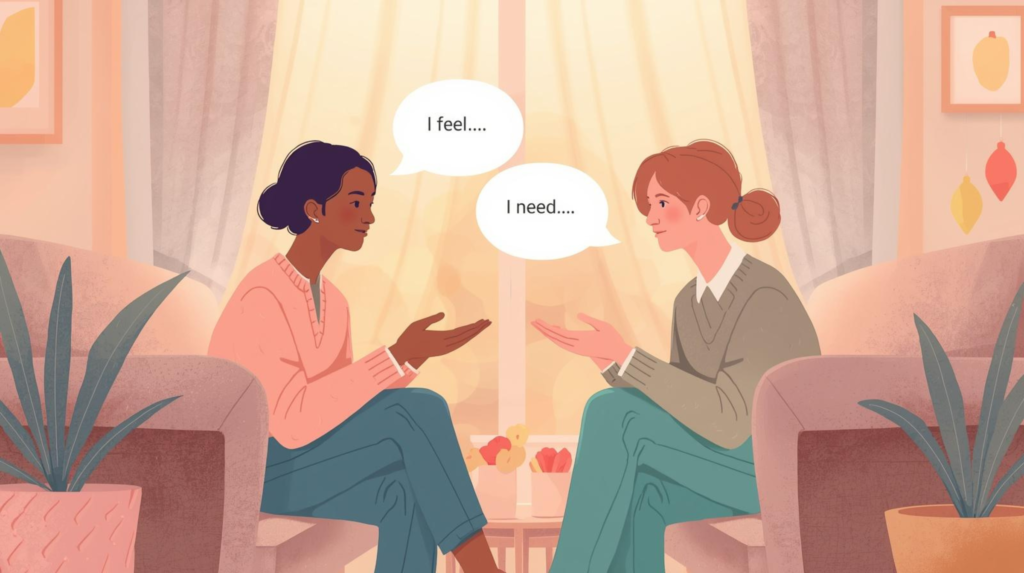
Setting boundaries does not have to be confrontational.
In fact, the most effective boundaries are communicated with clarity and calmness rather than frustration.
When expressing a boundary, it helps to focus on your experience rather than accusing your partner. Instead of framing the conversation as an attack, you can explain how certain situations affect you and what you need moving forward.
For example, if communication has been inconsistent, you might explain that regular communication helps you feel secure in the relationship. You can express that long periods of silence create uncertainty for you, and that consistency matters to you.
This approach invites understanding instead of defensiveness.
Tone also plays a significant role. Boundaries spoken with anger often feel like ultimatums. Boundaries spoken with calm confidence feel like self respect.
Timing matters as well. Difficult conversations tend to be more productive when both people are emotionally regulated rather than already in the middle of conflict.
Learning how to communicate boundaries in relationships is not about winning an argument. It is about creating mutual clarity.
What Happens When Boundaries Are Ignored

Setting a boundary is only the first step. What happens afterward reveals the health of the relationship.
In emotionally healthy partnerships, boundaries are taken seriously. Even if a partner does not fully understand a boundary at first, they make an effort to respect it. Curiosity replaces defensiveness. Adjustment replaces resistance.
But when boundaries are repeatedly ignored, a deeper issue emerges.
If someone dismisses your limits, minimizes your concerns, or continues harmful behavior after it has been addressed, the problem is no longer miscommunication. It becomes a matter of respect.
Boundaries lose their power if they are never reinforced. When someone continually tolerates violations without consequence, the message becomes unclear.
Healthy boundaries require consistency. If a partner speaks disrespectfully during conflict and the conversation continues as usual, the boundary has not truly been established.
Sometimes enforcing a boundary simply means stepping away from a conversation until it can be respectful. In other cases it may require reevaluating the relationship itself.
Love cannot thrive in an environment where one person’s needs are constantly dismissed.
Boundaries and Self Worth

At its core, setting boundaries in relationships is deeply connected to self worth.
When you believe your emotional well being matters, it becomes easier to speak honestly about what you need. When you value yourself, you recognize that respect is not optional in healthy love.
This does not mean boundaries are about controlling others. They are about honoring yourself.
People who struggle with boundaries often carry the belief that their needs are inconvenient or excessive. They may have learned to prioritize other people’s comfort above their own.
But healthy relationships require balance. Both individuals deserve space to express themselves and protect their emotional health.
Setting boundaries communicates something powerful. It says that the relationship matters enough to be protected by honesty.
It also invites the other person to show who they truly are.
Someone who respects your boundaries demonstrates maturity and care. Someone who resists them reveals their limitations.
In either case, clarity replaces confusion.
Boundaries Strengthen Love Instead of Weakening It

One of the greatest myths about boundaries is that they push people away.
In reality, they create the conditions where love can grow safely.
Without boundaries, resentment accumulates. Small frustrations remain unspoken until they eventually explode. Partners become defensive because they feel blindsided by emotions that were never expressed clearly.
Boundaries prevent that buildup.
They encourage open communication. They create emotional safety. They allow both people to understand each other’s needs without guessing.
A relationship built on respect for boundaries feels stable. It feels secure. It allows intimacy to deepen without sacrificing individuality.
Healthy love does not require you to silence yourself.
It invites you to show up fully, needs, limits, and all.
And when two people can honor each other’s boundaries with care and understanding, the relationship becomes something stronger than attraction alone.
It becomes a partnership built on mutual respect.