
If you have ever wondered why you react so strongly in love, why you panic when someone pulls away, or why you lose interest the moment someone gets too close, the answer may lie in understanding attachment styles in relationships.
Attachment theory, originally developed by psychologist John Bowlby and later expanded by Mary Ainsworth, suggests that the way we bonded with caregivers in childhood shapes how we connect in romantic relationships as adults. While the theory has depth and nuance, most adult attachment patterns fall into three primary styles: secure, anxious, and avoidant.
Understanding which one you lean toward can completely change how you approach dating and long term commitment.
A Quick Look at the Three Attachment Styles
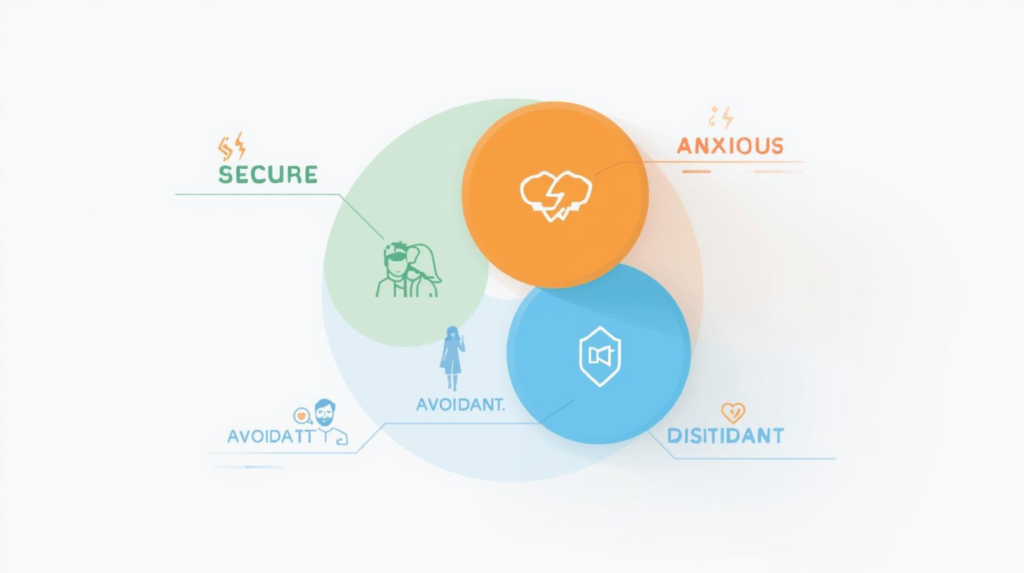
Secure attachment is the healthiest and most balanced pattern. Someone with a secure attachment style feels comfortable with closeness and also comfortable with independence. They do not panic when their partner needs space, and they do not feel suffocated by emotional intimacy. They trust easily but not blindly. They communicate needs directly. Conflict does not feel like abandonment to them, and space does not feel like rejection.

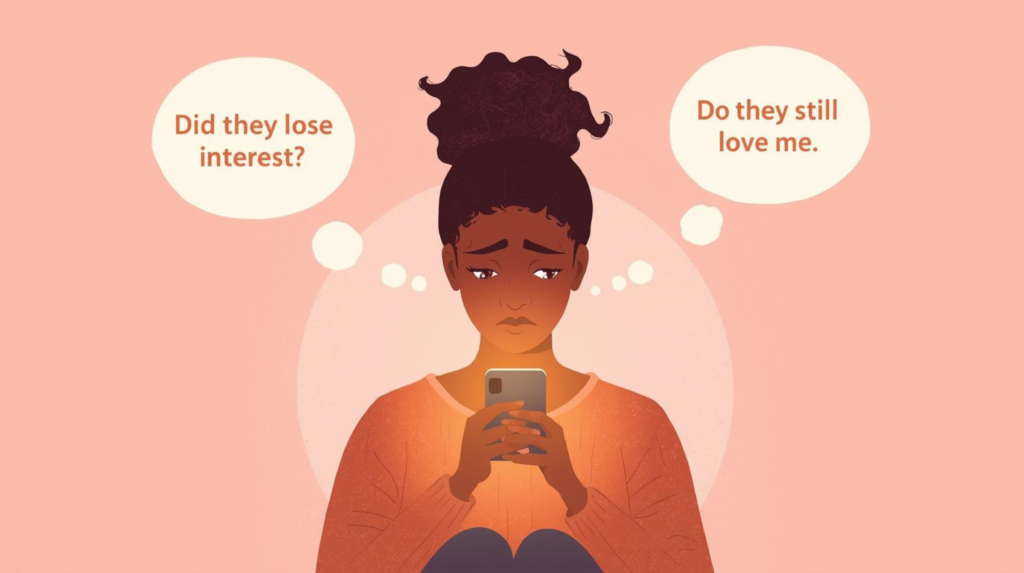
Anxious attachment is driven by a deep fear of abandonment. Someone with an anxious attachment style craves closeness but constantly worries about losing it. They may overanalyze texts, read into tone changes, or feel distressed when their partner becomes distant. Love feels intense and consuming. Reassurance feels necessary, sometimes urgently so. When they sense emotional withdrawal, their instinct is to move closer.
Avoidant attachment, on the other hand, values independence to the point of emotional distance. Someone with an avoidant attachment style may struggle with vulnerability. When relationships start to feel too close, they instinctively pull back. They may shut down during conflict or minimize emotional conversations. It is not that they do not care. It is that closeness can feel threatening to their sense of autonomy.

These patterns are not personality flaws. They are adaptations. At some point in life, they helped you survive emotionally. But in adult romantic relationships, they can either create stability or create cycles of tension.
How Each Attachment Style Shows up in Dating
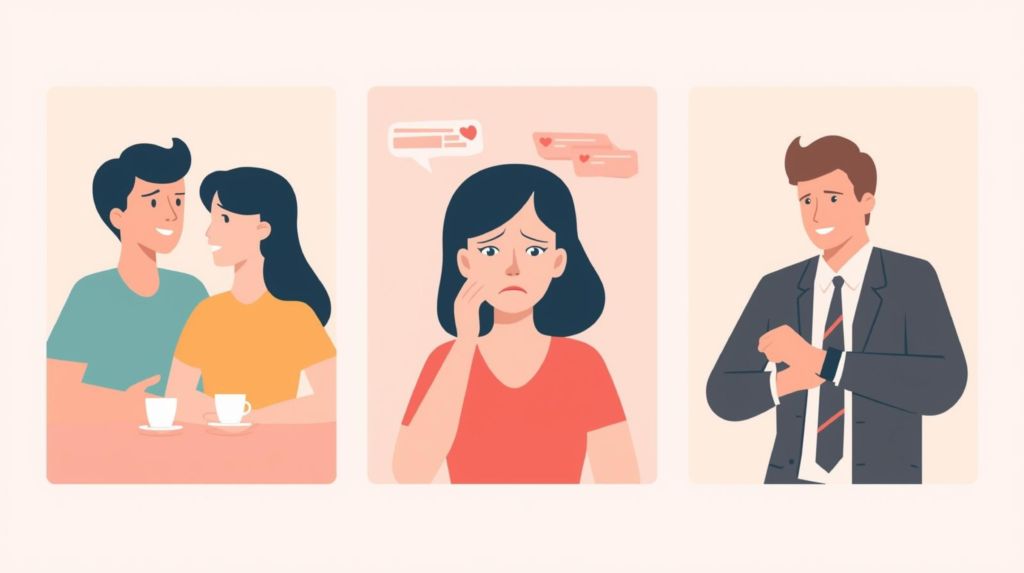
Imagine dating someone new:
If you are secure, you enjoy the connection without obsessing over it. You can go a few hours without hearing from them without assuming the worst. You are curious, open, and grounded. If something feels off, you ask about it instead of creating a silent narrative in your head.
If you are anxious, early dating can feel intoxicating and terrifying at the same time. You may feel deeply invested very quickly. When the other person delays responding, your mind fills in the blanks. You wonder if they are losing interest. You might send a follow up message just to feel calm again. When things are good, you feel high. When they are distant, you feel rejected.
If you are avoidant, dating may feel exciting until it becomes emotionally serious. You might enjoy the chase, the flirting, the novelty. But when the other person begins asking for deeper emotional intimacy, you may feel pressured. You might take longer to reply. You might focus more on work or hobbies. You convince yourself you just need space, but what you may actually be avoiding is vulnerability.
The most common dynamic in modern dating is the anxious and avoidant pairing. One partner seeks reassurance. The other seeks distance. The more one pursues, the more the other withdraws. This cycle reinforces both fears. The anxious partner feels unwanted. The avoidant partner feels overwhelmed.
Understanding attachment styles in relationships explains why this pattern feels so intense and so hard to break.
How to Move Toward Secure Attachment
The good news is that attachment styles are not permanent labels. They are patterns, and patterns can shift with awareness and intentional growth.
Moving toward secure attachment begins with recognizing your default responses. When you feel triggered in a relationship, pause and ask yourself what you are actually afraid of. Are you afraid of being abandoned? Or are you afraid of losing independence? Naming the fear reduces its power.
If you lean anxious, learning to self soothe is essential. Instead of seeking immediate reassurance, practice regulating your own emotions first. Remind yourself that delayed communication does not automatically mean rejection. Develop a life that feels full outside of your romantic connection. Security grows when your identity is not dependent on someone else’s validation.
If you lean avoidant, practice staying in moments that feel uncomfortable. When your instinct is to shut down, try expressing one honest sentence instead. Emotional closeness does not erase your independence. It simply adds connection to it. Vulnerability feels risky, but it is also the doorway to deeper intimacy.
Therapy, journaling, emotionally healthy friendships, and conscious dating choices can all help shift attachment patterns over time. The goal is not perfection. The goal is becoming more secure than you were before.
Why Awareness Changes Everything
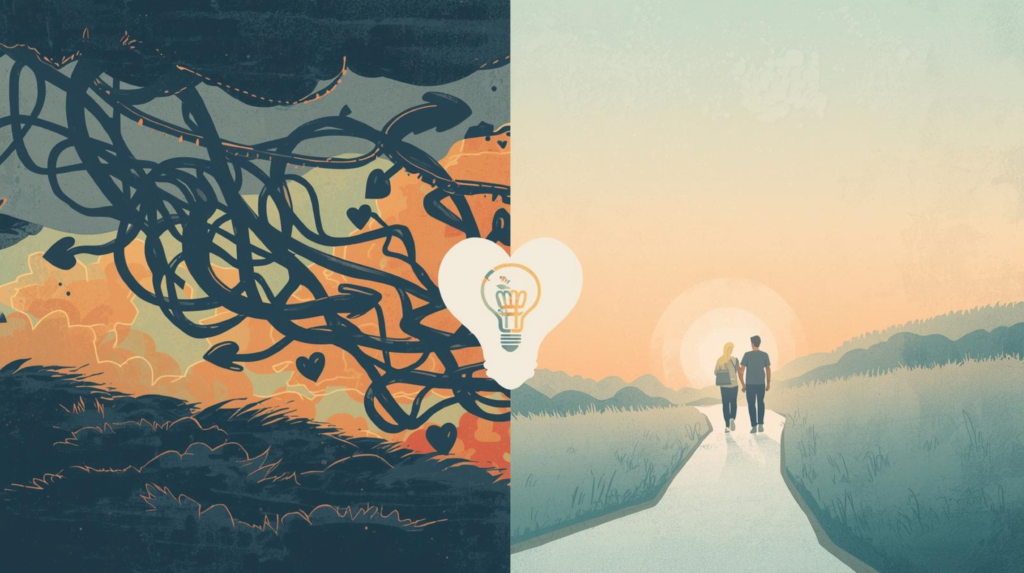
Many people enter relationships believing their partner is the problem. They say things like, “I just attract emotionally unavailable people,” or “Everyone I date is too clingy.” While compatibility matters, patterns often repeat because attachment dynamics repeat.
When you understand your attachment style, you stop personalizing everything. You begin to see your reactions as information rather than evidence of failure.
If you are anxious and dating someone avoidant, you can recognize the cycle instead of escalating it. If you are avoidant and dating someone secure, you may notice how their calmness challenges your instinct to withdraw. If you are secure, you may consciously choose partners who are also committed to growth.
Awareness creates choice.
Without awareness, attachment styles in relationships operate unconsciously. They drive arguments, misinterpretations, and emotional distance. With awareness, you can interrupt the pattern. You can choose a different response. You can ask for reassurance calmly. You can stay present instead of disappearing.
Love becomes less about reacting and more about responding.
Conclusion

At its core, attachment theory is not about labeling yourself. It is about understanding the blueprint you bring into intimacy. When you know your blueprint, you stop confusing chemistry with compatibility. You stop chasing people who confirm your fears. You start building connections that feel stable instead of chaotic.
Attachment awareness does not remove challenges from relationships. But it transforms them from mysterious emotional storms into understandable patterns.
And when you understand the pattern, you finally have the power to change it.
Love feels very different when it is secure. It feels calm. It feels steady. It feels safe.
And for many people, that kind of love begins not with finding someone new, but with understanding themselves.