Introduction
Romance is often where love begins, but partnership is where it is proven. Understanding the journey from romance to partnership in marriage is essential for every couple seeking lasting love. Most love stories start with butterflies—the late-night calls, the gifts, the rush, the love bombing.
Romance is expressive, emotional, and intoxicating. It thrives on passion and desire, making people feel seen, special, alive, and wanted. In the early stage of love, romance feels like the entire part of being together.

The Intoxicating Rush of Romance
Moreover, that rush of being in love, being in each other’s arms, creates unforgettable moments. The anticipation of what is and what will be, the need to feel constantly involved in each other’s lives, the physical, sexual, and emotional feelings, and the longing desire to be under each other’s skin—all define the romantic phase.
However, marriage being a long-term commitment quietly introduces a new reality romance alone cannot sustain. This is where the journey from romance to partnership in marriage begins.
Romance: The Effortless Beginning
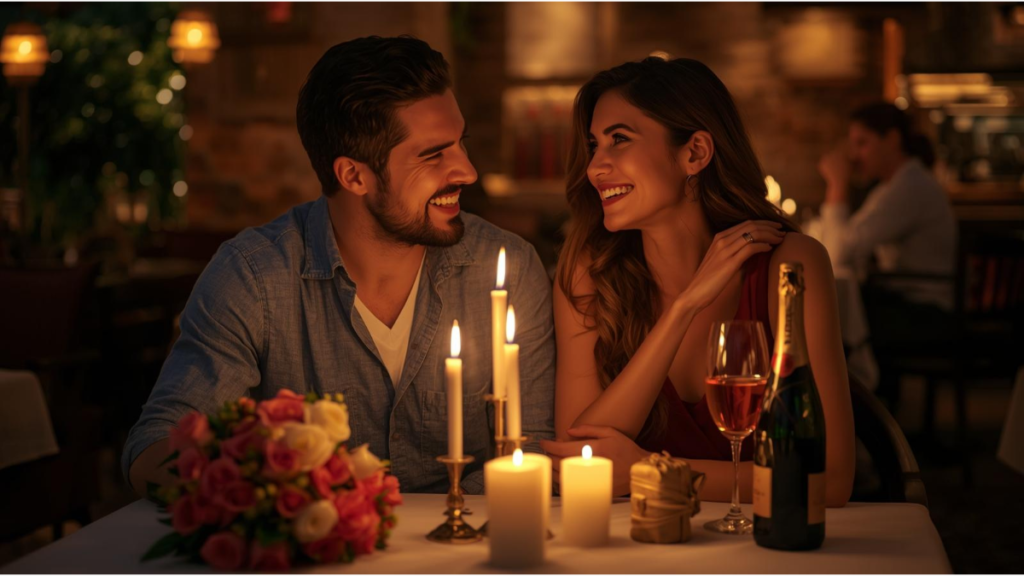
In romance, love is often effortless. People show their best behavior, flaws are softened, patience is abundant, and compromise feels natural. There is time to miss each other, space is being given, dates happen regularly, surprises delight, and words and gestures flow freely. Furthermore, the only thing you have to do is show your love and say how much you are in love and live out your romance comfortably in the moment.

Partnership: Where Love Meets Responsibility
Partnership, however, lives in responsibility. It begins when love is no longer measured by how deeply you feel but by how consistently you show up. It is built in shared mornings, unpaid bills, emotional fatigue, stress, illness, disappointment, and decisions that affect more than one person. Consequently, in partnership you become one.
It stops being only “Do you love me?” and becomes “Can I rely on you?” Not “What do you do?” but rather “What do we do?” This shift can be unsettling and foreign for many couples navigating the transition from romance to partnership in marriage.
Understanding the Shift
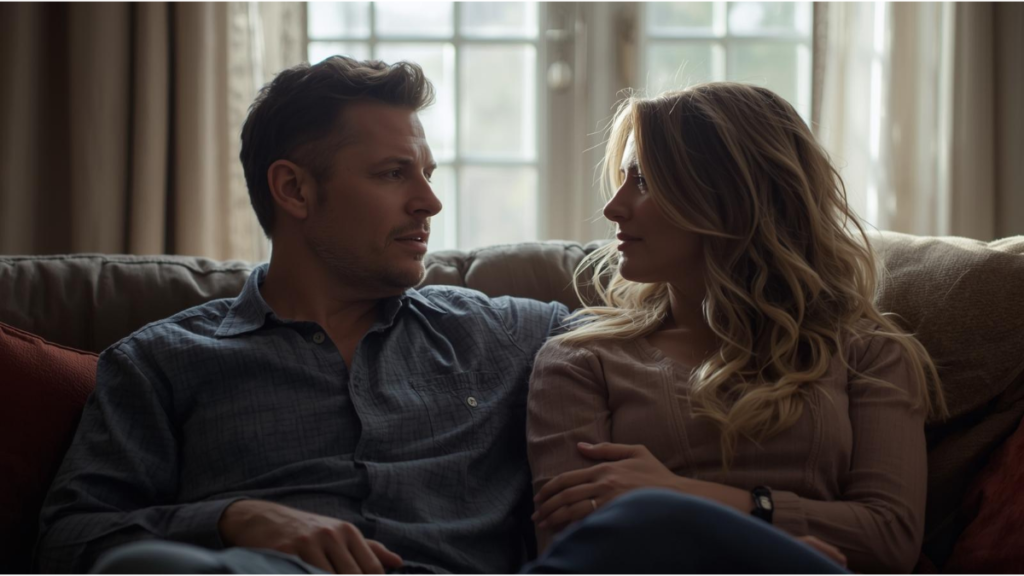
Many couples struggle not because love is gone but because love has changed form. Romance speaks the language of emotions; partnership speaks the language of actions. One is fueled by passion and the other by commitment.
When couples expect partnership to feel like courtship, they may mistake stability for boredom or responsibility for distance. In truth, partnership has matured. It goes beyond just saying “I love you” constantly and talking on the phone for hours—now it’s about proving that love every day for the rest of your lives. If one is affected, both are affected, and proving that love doesn’t only mean telling them how much you love them.

Actions Speak Louder Than Words
Even though saying it is important and may be what your partner wants to hear sometimes, showing how much you love and care for them lengthens the lifespan of your marriage. Therefore, it goes from being “I want you” to “I choose you,” even when it’s hard. When romance focuses mostly on connection, partnership focuses on both connection and cooperation.
The Balance Between Romance and Partnership
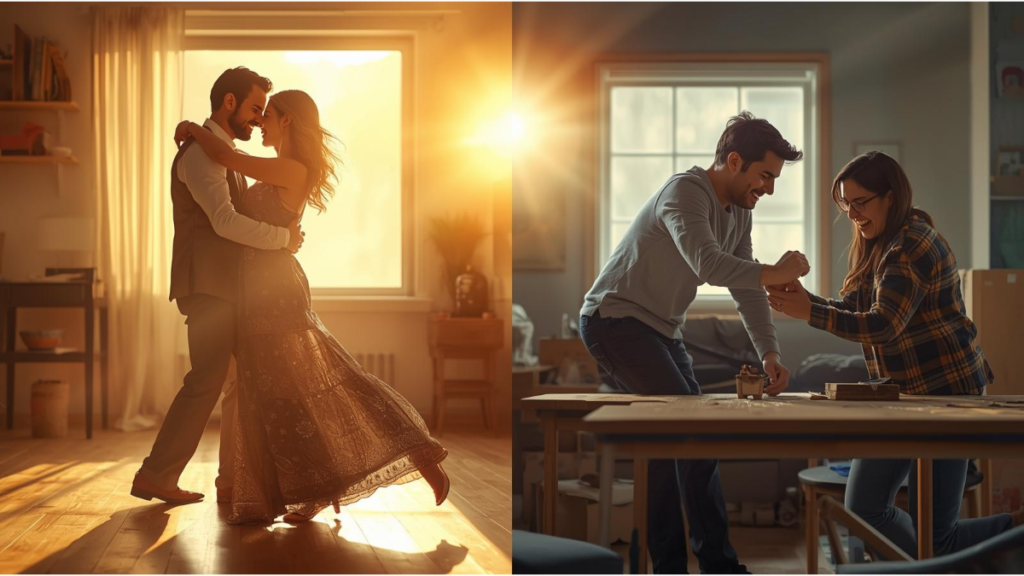
Now don’t get me wrong—partnership also needs romance and spice to stay and remain in marriage. Nevertheless, the essence of this is to make you understand that it doesn’t only rely on romance. Sometimes, it needs more than that to survive.
It requires constant willingness to communicate—communication that goes beyond affection and more into problem-solving. It demands emotional intelligence, patience, and accountability. Some partnerships face challenges because they are now required to understand each other rather than just having the idea of each other. Partnership is practical; you show up every day and give it your all, even if it’s not your 100%, but it’s your absolute best.
My Personal Wake-Up Call
Six months after I was married, I stopped being the romantic, present, and sweet wife. Don’t get me wrong—I still loved my husband very much and would give him a few kisses here and there. But it wasn’t always bare. I’d give him kisses when we wake up, before he goes to work, when he comes back from work, and randomly throughout the day.
I’d jump on him and ask how his day went, frequently move in for a cuddle, start up conversations and maintain them. I was all involved. I was always a wife, a partner, a gist buddy, and a lover—until six months after we were married.
The Confrontation
My husband couldn’t hold it in anymore. One day he said to me, “I noticed you have been distant lately. You now do most things on your own. I come from work, you serve me dinner, and then go about the rest of your night. Did I do something wrong?”
I couldn’t think of a single thing he did because my behavior had not been as a result of being hurt. It’s more of the fact that we have been on each other’s faces for six months, and slowly I didn’t feel hyper and fixated on him like I used to. Subsequently, I didn’t even know I was being distant until he mentioned it. My attention span slowly moved away from my husband. I had gotten so used to him that doing all those things didn’t feel needed or important anymore.
The Lesson Learned
We see each other every day; we are going to be together for the rest of our lives. There’s plenty of time to be romantic—why do it every day? But I was clearly wrong. Familiarity doesn’t mean laziness. As much as it is normal to not feel the love rush every day as a married couple because surely your lives just got serious and you will have more responsibilities or other things distracting you like my mind, still the whole point of taking a lifetime commitment is to make every day count and live every day in the now.
Not just letting our partners assume, but going out of our way to show that we care and love each other deeply by our words, our touch, our actions, our ideas—literally everything. I learned that marriage isn’t the finish line but just the starting point. The beginning of a new journey, and whether that journey ends up in a good destination heavily relies on both parties trying to do better for each other.

Conclusion: Building Love Together
In the end, romance can spark love, but partnership sustains it. Those who learn to honor both without confusing one for the other discover that love, in its truest form, is not just something you feel—it’s something you build together over and over again. The transition from romance to partnership in marriage is not a loss but an evolution, a deepening of commitment that transforms fleeting passion into enduring love.