Self improvement is often associated with productivity. People focus on habits, routines, and goals, believing that becoming better means doing more. However, one of the most powerful tools for personal growth has little to do with doing and everything to do with understanding. That tool is emotional intelligence for self improvement.
What Is Emotional Intelligence?
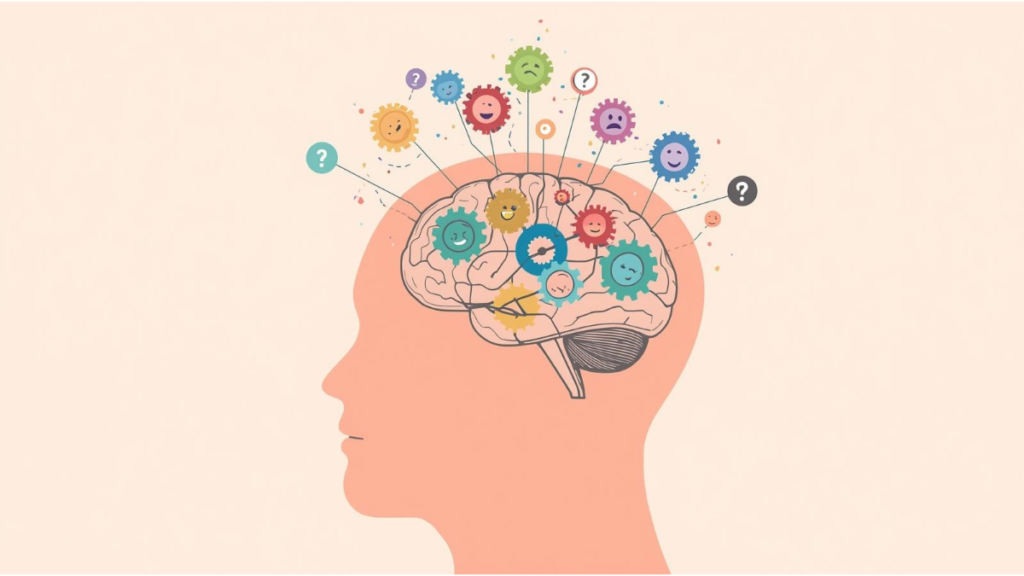
Emotional intelligence for self improvement is the ability to understand, manage, and respond to your emotions and those of others. Moreover, it shapes how you communicate, how you respond under pressure, how you react, how you form relationships, and how you handle setbacks. There’s a 90 percent chance that without emotional intelligence for self improvement, personal growth becomes shallow and almost impossible. Nevertheless, with it, growth becomes possible and sustainable.
Why You’re Not Lacking Motivation
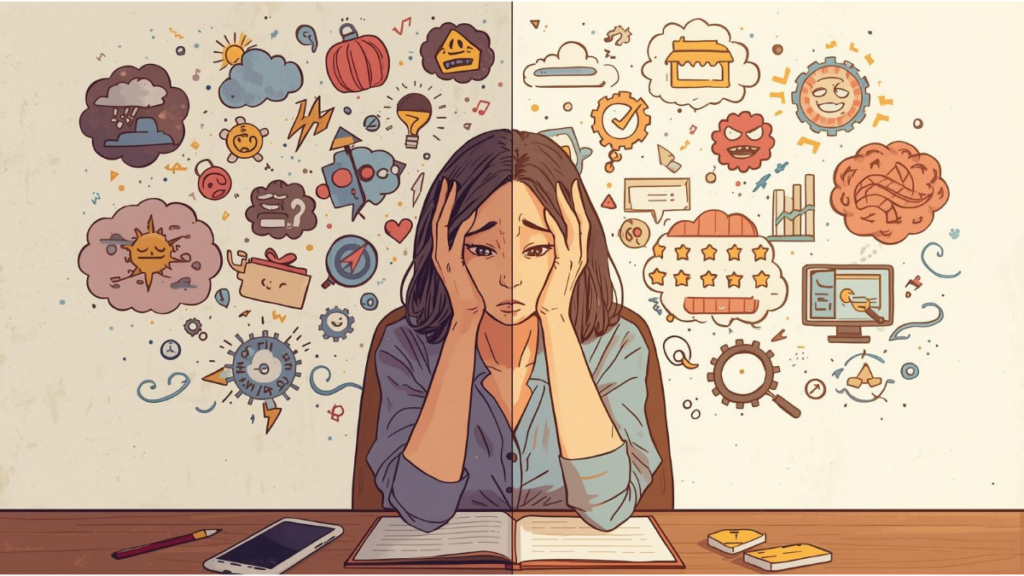
You are not lacking motivation—you are just overwhelmed by the series of emotions you don’t know how to process. When you are beaten down and going through a rush of emotions, you have little to no passion for anything. As humans and as individuals, we need to commit ourselves to a certain routine and discipline, no matter how small, to stay active and motivated every day.
Furthermore, it could be reading, your fitness journey, sports, or any active habits. The truth is that you have a high chance of maintaining these habits when you are in the right state of mind. When your emotions are clashing on top of each other, it becomes difficult to do anything productive, hence affecting your personal growth. Having or rather working on your emotional intelligence for self improvement is a first step to personal growth.
Understanding Yourself Through Self-Awareness

At the core of emotional intelligence for self improvement is self-awareness. This means recognizing what you feel, how you feel, why you feel it, and how those emotions influence your behavior. Many people react emotionally without pausing even for a second to understand the depth of those emotions.
Additionally, mind your emotions don’t always have to be hurt or sadness—it can be fear, anger, insecurity, happiness, and even anxiety. How you use these emotions determines how good your problem-solving skill is.
Questions to Ask Yourself
Do I need to be happy when I’ve been asking for this and only got it because they are tired of me asking? Or do I need to be sad when this situation is beyond my control? Do I need to be angry? Will anger fix the issue or just escalate it more and make me come off as overbearing?
Similarly, do I need to be anxious, or should I stay calm and trust that I’ll find a solution when my mind is not racing and going through different scenarios that might make things worse and offer no help at all? Having all these emotions is completely normal for us human beings, but knowing where and how to channel them is important. Sometimes it can be too much; other times, too little. Self improvement starts when you stop fighting your emotions and start listening to them.
Learning to Respond, Not React

Emotional intelligence for self improvement does not mean suppressing your emotions or pretending to be calm at all times. It means learning how to respond rather than just reacting. Consequently, regulating your emotions means experiencing them without letting them control your actions. You still feel disappointed, but you no longer let disappointment decide your next move.
Better Relationships Start with Emotional Intelligence
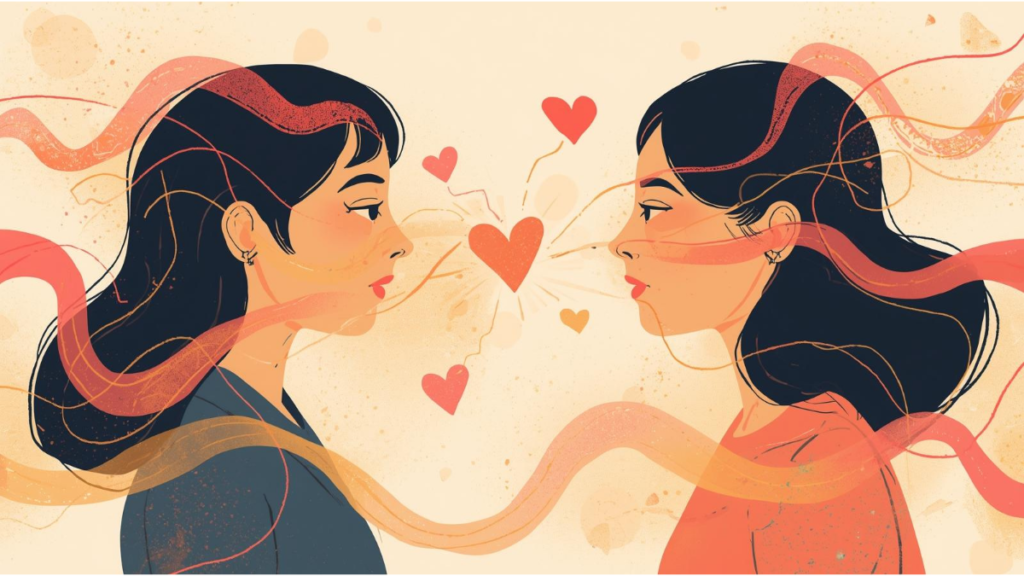
Self improvement is not only personal; it is also relational. The way you treat people, set boundaries, and communicate your needs reflects your level of emotional intelligence for self improvement.
Characteristics of Emotionally Intelligent People
People with emotional intelligence for self improvement listen without being defensive, either to friends, family, or love partners. They communicate clearly instead of assuming. They take responsibility for their actions and emotions instead of projecting them onto others or shifting blame. As emotional intelligence for self improvement grows, relationships become healthier, conflict becomes less destructive, less chaotic, and connections become deeper.
Growth Is Not a Straight Line

While you seek to do better, remember that your life and personal growth do not improve in a straight line. It takes a lot of maneuvering, lots of corners and edges before you begin to figure it out. Therefore, be soft on yourself and take it one step at a time.
It is normal for growth to have setbacks, rejection, and uncertainty, but emotional intelligence for self improvement gives you the ability to recover without losing yourself. Instead of seeing failure as an identity or as the end, emotional intelligence for self improvement helps you view it as feedback. Instead of shrinking and collapsing under pressure, they adapt.
The Gift of Inner Alignment

Emotional intelligence for self improvement brings alignment. It ensures that growth does not come at the cost of your inner peace or mental health. It is grounded on self-respect and discipline rather than self-criticism. Progress becomes easier once you stop being at war with yourself.
Importantly, emotional intelligence for self improvement is not a trait that you either have or don’t have—it’s a skill that can be developed.
Building Emotional Intelligence: Practical Steps
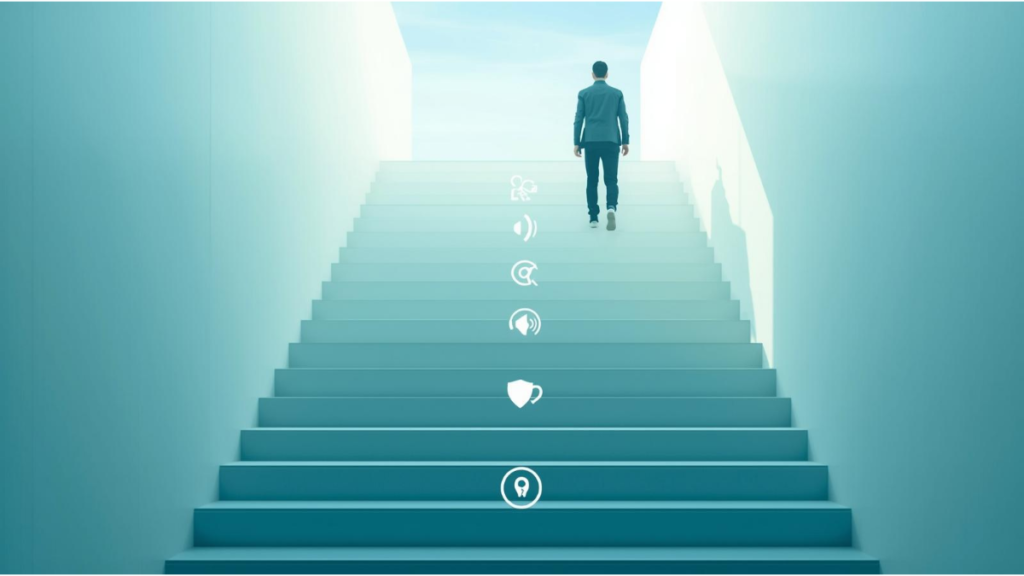
Developing emotional intelligence for self improvement involves several key practices:
Pause before reacting. Take a moment to breathe and think before responding to situations.
Name your emotions honestly. Identify what you’re feeling instead of suppressing it.
Ask yourself why certain situations trigger you. Understanding your triggers helps you manage them better.
Listen to understand, not just to respond or react. Practice active listening in your conversations.
Take responsibility for your emotional responses. Own your feelings and reactions without blaming others.
These small practices create profound change over time. The more you understand yourself, the less you need to prove anything to anyone, and the less your actions negatively affect your loved ones and those around you.