
David has a habit.
Whenever he and his girlfriend argue, he turns off his data and goes to sleep.
It does not matter how serious the issue is. It does not matter how hurt she feels. Once the conversation becomes uncomfortable, he disappears. The next morning he wakes up, texts her good morning, and acts as if nothing happened.
To him, the argument is over because he is no longer talking about it.
To her, the argument is not over because nothing was resolved.
She wants to talk. He wants to avoid.
She wants clarity. He wants quiet.
And that difference right there is emotional availability in relationships.
Not money.
Not attraction.
Not even love.
Emotional availability.
It is one of the most important traits in a healthy relationship, yet it is rarely discussed with the depth it deserves.
David is not a bad person. He cares about his girlfriend. He shows up for dates. He laughs with her. He talks about the future. From the outside, the relationship looks fine.
But when conflict shows up, he emotionally disappears.
And over time, that absence becomes louder than any argument.
What Emotional Availability Really Is

Emotional availability is the ability to stay present when things feel uncomfortable.
It is not about being overly emotional. It is not about dramatic expressions of love. It is about the willingness to engage instead of withdraw.
An emotionally available person does not run from difficult conversations. They may feel overwhelmed, but they stay. They may need a moment to regulate themselves, but they return to the discussion. They understand that connection requires participation.
In David’s case, turning off his data feels easier than confronting tension. Silence feels safer than vulnerability. Avoidance feels peaceful in the moment.
But avoidance is not resolution. It is postponement.
Emotional availability means being open enough to say, I was hurt. I did not like that. I need reassurance. It also means being mature enough to hear those same words from your partner without shutting down.
It is emotional presence. It is engagement. It is courage.
When One Person Invests More Emotionally

David’s girlfriend is emotionally invested in the relationship. When there is a problem, she feels unsettled until it is discussed. She believes that love means working through discomfort, not ignoring it.
So when David pretends the issue never happened, she feels alone.
Not because he left physically. He is still there. He still texts. He still calls. He still shows up.
But emotionally, he stepped away.
This is the quiet loneliness many people experience in relationships. You can be with someone who says they love you, yet feel unheard. You can share space with someone and still feel disconnected.
Emotional unavailability often looks like that. It does not always look dramatic. Sometimes it simply looks like refusing to engage.
Over time, unresolved conversations pile up. Small misunderstandings become silent resentments. One partner feels like they are carrying the emotional weight of the relationship alone.
And that imbalance slowly weakens the bond.
The Psychology Behind Emotional Unavailability

Patterns like David’s are often rooted in attachment styles.
Attachment theory explains how our early relational experiences shape the way we connect as adults. Some people develop a secure attachment style. They are comfortable with closeness. They communicate openly and handle conflict with relative stability.
Others develop anxious attachment. They crave closeness deeply but fear abandonment. They may become overly emotional or reactive because they are seeking reassurance.
Then there are those with avoidant attachment. These individuals value independence strongly and often feel uncomfortable with vulnerability. When emotions intensify, they create distance. When conflict arises, they withdraw.
David’s habit of turning off his phone is a classic avoidant pattern. It is not necessarily cruelty. It is self protection. Avoidant individuals often learned early in life that emotions were overwhelming, dismissed, or unsafe. So they learned to shut them down.
The problem is that what once protected them now prevents intimacy.
The hopeful part is that attachment styles are not permanent. Emotional availability in relationships can be developed with awareness and effort.
Why Emotional Availability Predicts Relationship Success
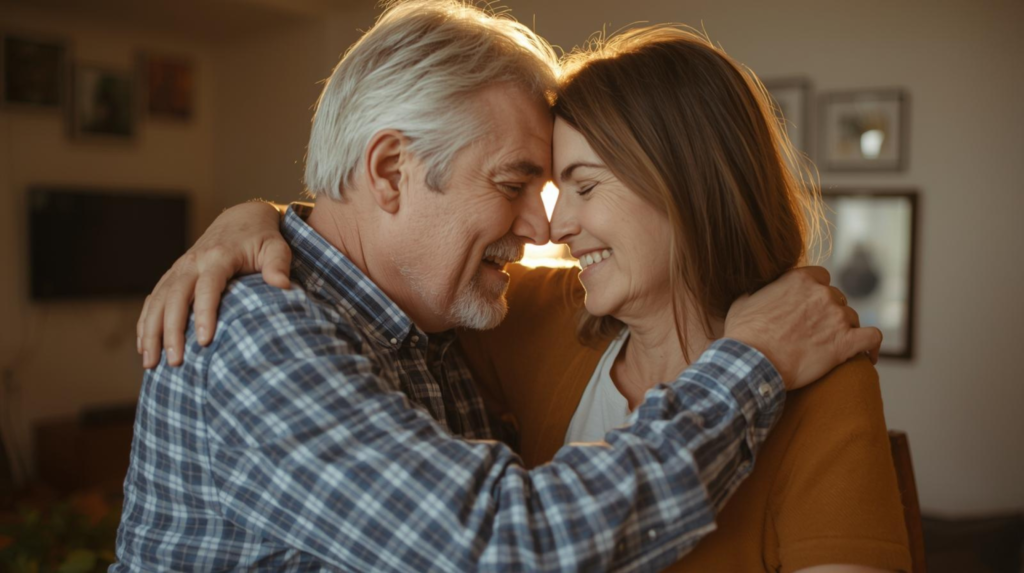
Relationships are not sustained by good mornings and date nights alone. They are sustained by repair.
Conflict is not the enemy of love. Avoidance is.
When two people argue, the argument itself does not determine whether the relationship survives. What matters is what happens after.
Do they talk it through?
Do they listen to understand?
Do they acknowledge hurt and take responsibility?
Or does one person pretend nothing happened while the other lies awake replaying the conversation?
Emotional availability determines whether issues become bridges or barriers.
When someone stays engaged during tension, trust grows. When someone withdraws repeatedly, insecurity grows.
Over time, insecurity changes the tone of a relationship. The emotionally invested partner may become anxious, overly expressive, or resentful. The avoidant partner may feel pressured and retreat even more.
Without emotional availability, love becomes exhausting.
With emotional availability, even hard seasons become opportunities for growth.
That is why emotional availability in relationships predicts long term success more reliably than charm, money, or chemistry.
Becoming More Emotionally Available

If you see yourself in David, that is not a reason for shame. It is an invitation to grow.
Emotional availability begins with awareness. You have to notice your patterns before you can change them. Do you withdraw when conversations become intense? Do you minimize problems instead of addressing them? Do you convince yourself that silence is peace?
Growth requires emotional regulation. Instead of turning off your data and going to sleep, you might say, I am overwhelmed right now. Can we continue this conversation tomorrow? That simple shift keeps the connection intact while honoring your limits.
Healing also plays a role. Emotional unavailability is often a defense mechanism. It protects you from feeling too exposed. But walls built to protect can also isolate.
Learning to tolerate vulnerability takes practice. It means staying in conversations a little longer than feels comfortable. It means choosing engagement over escape.
And perhaps most importantly, it means deciding that the relationship is worth the discomfort of growth.
Final Thoughts

David’s story is not uncommon.
Many people love deeply but struggle to stay emotionally present. Many people want connection but fear vulnerability. Many people believe that avoiding conflict keeps relationships peaceful, when in reality it quietly erodes them.
Emotional availability is not about being perfect. It is about being willing.
Willing to talk.
Willing to listen.
Willing to repair.
Willing to stay.
If you want a healthy relationship, ask yourself a simple question.
When things get hard, do I lean in or do I disappear?
Because emotional availability in relationships is not measured by how you act when everything is good. It is revealed by how you show up when things feel uncomfortable.
And the difference between long lasting love and quiet disconnection often lies in that one choice.